Short-run capability
Cold forging support for low-volume components, trial batches, repair jobs, and engineering parts that still need proper tooling.
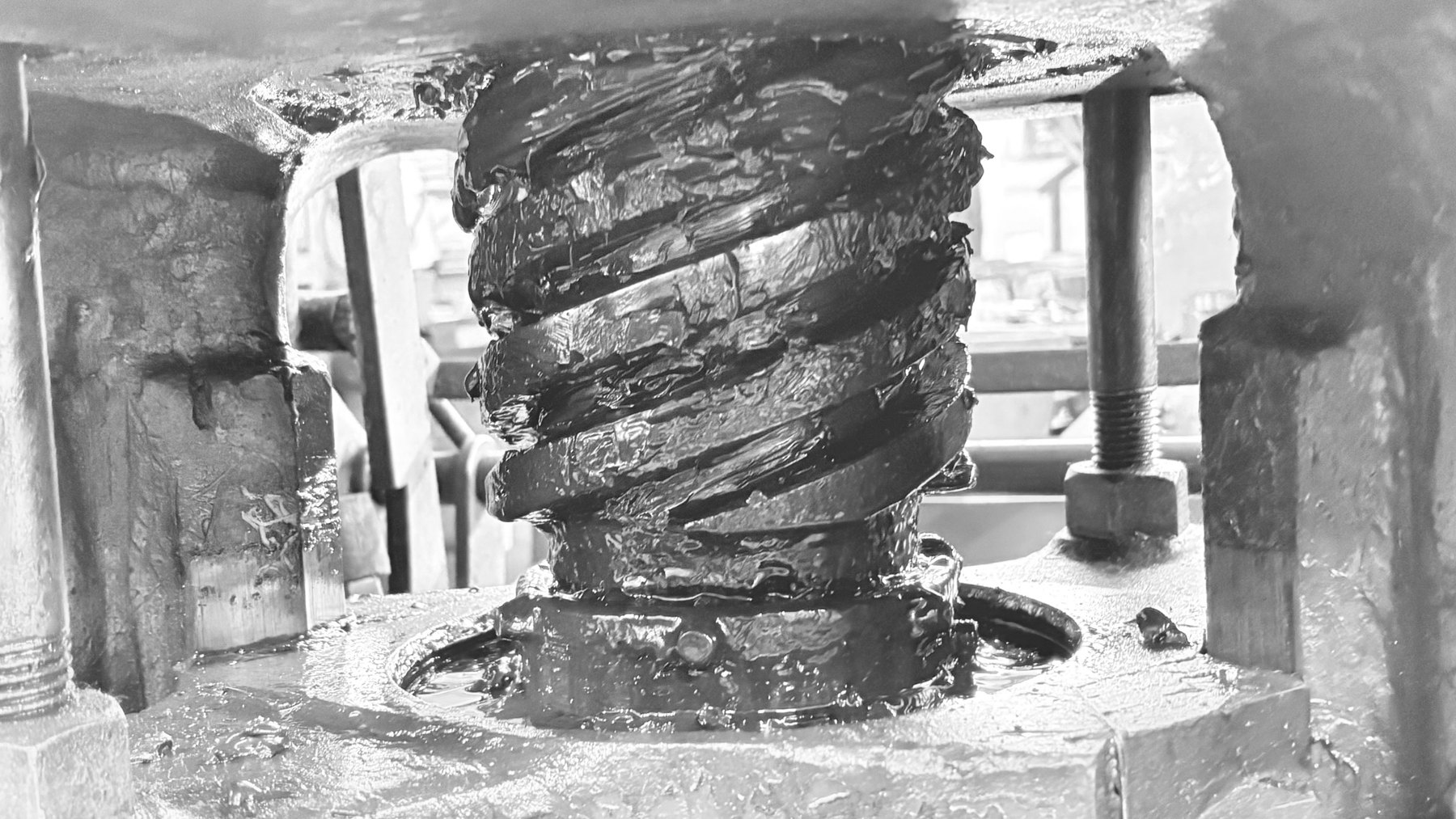
Cold forging service
UK Forging supports cold forming and cold forging enquiries where accurate shape, controlled tooling, practical short-run support, and a clear route to repeat production are more useful than a one-size-fits-all manufacturing answer.
Cold formed, job by job
Cold forging and cold forming can be valuable when a metal component needs to be shaped under high pressure without the same heat input used in hot forging. The process can improve material use, support good surface finish, and create strong formed features when the material, geometry, and tooling are suitable. It is not the right answer for every part, but when it fits, it can give an efficient route for accurate components, blanks, forms, and details that would otherwise take more machining or fabrication.
UK Forging approaches cold metal forging as an engineering service rather than a fixed catalogue process. We can help with short-run jobs where the customer only needs a small quantity, replacement components where a working sample is available, and prototype work where the design still needs proving. These jobs often need more conversation than a large repeat order because the cost of the die, the forming risk, and the purpose of the first parts all matter. We are comfortable with that early-stage work.
If you have a drawing, sample, sketch, model, or part requirement, we can review whether cold forging is realistic and what tooling would be needed. Sometimes the right route is a simple forming tool. Sometimes a matched die, staged forming approach, preform, or later machining allowance is needed. The point is to choose a route that supports the job, not to force the job into equipment just because it is available.
Cold forging support for low-volume components, trial batches, repair jobs, and engineering parts that still need proper tooling.
Useful when the first forged or formed parts need to prove shape, function, fit, material behaviour, or downstream machining allowance.
For runs in the thousands, we can look at automation, handling, die life, repeatability, and process control to strengthen the production case.
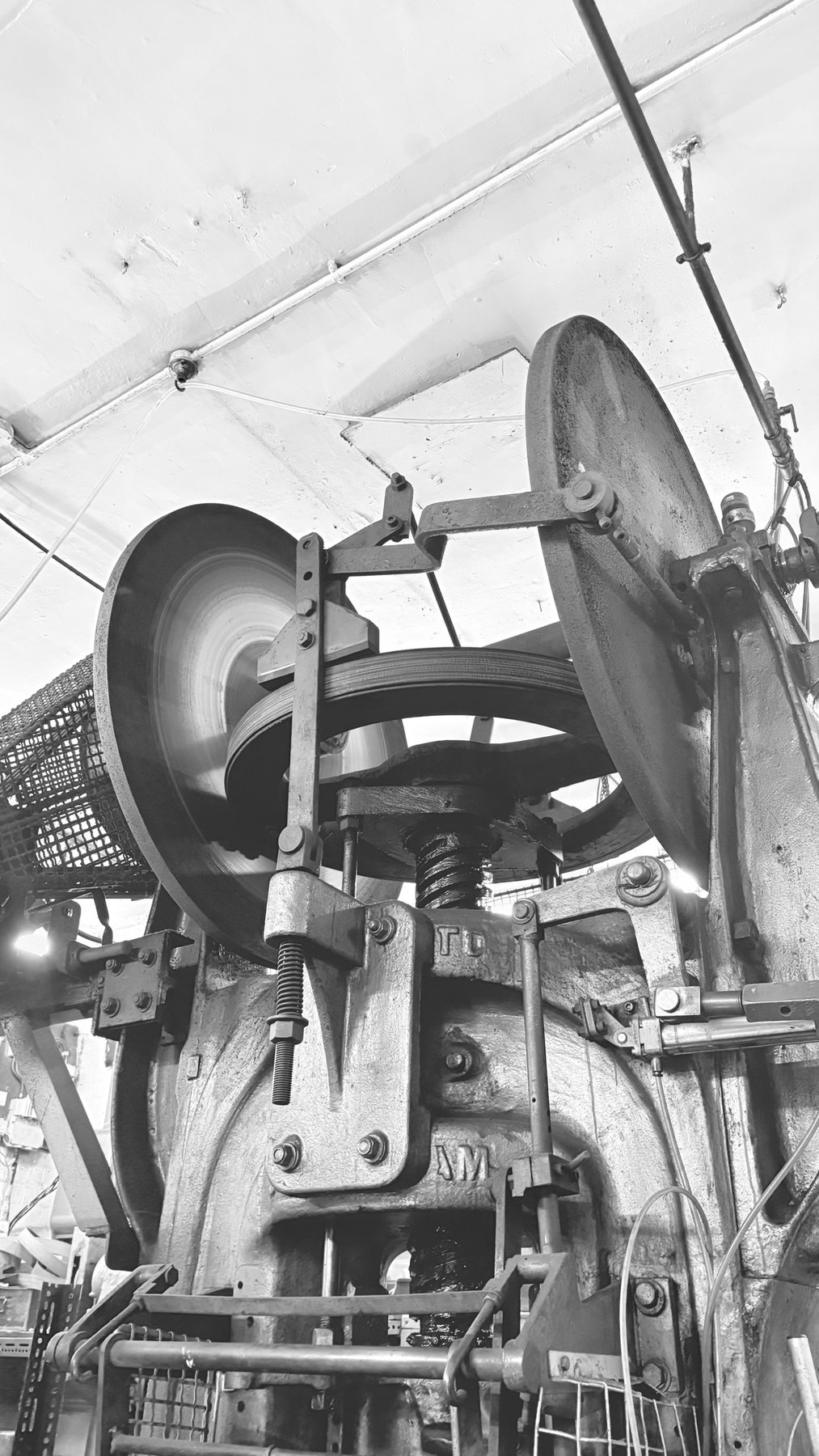
Die making
Cold forging depends heavily on the die. Even a short run can need controlled tooling because the part is formed by pressure, contact, support, and metal flow. UK Forging can make the dies required for the job and present that die making as a base cost of the project. This gives customers a clear view of what is needed to make the component, instead of hiding the tooling requirement or assuming the job must immediately become a high-volume order.
For prototype jobs, that is particularly important. A customer may need a cold forged part to test an assembly, check a shape, compare strength, validate a product idea, or understand whether a formed route is better than machining. In that situation, the die is part of the learning cost. It creates the first route into physical parts and gives the project something real to measure. The first die may be enough for the next order, or it may be a development step before a more durable production tool. We can discuss that honestly at quotation stage.
For short-run cold forging, die cost should be balanced against the quantity and the value of the result. If a job only needs a small batch, we will consider whether tooling can be kept practical while still giving the shape and reliability required. If the part is likely to repeat, we can also think about how the die route should support future batches without overcomplicating the first one.
Where cold forging helps
Cold forging can suit parts where controlled pressure can form a useful geometry while reducing waste compared with machining from a larger block. It can be considered for blanks, stepped forms, shoulders, bosses, headed features, pressed shapes, tooling components, and engineering parts where surface finish and dimensional repeatability are important. The exact suitability depends on material, section change, tolerances, lubrication, die stress, and whether the part can be formed in one operation or needs stages.
We can review common engineering materials and special grades by enquiry. Some steels cold form more readily than others, and some geometries introduce too much forming load or die stress for a sensible cold route. That does not mean the project stops. It means we review alternatives: a hot forged preform, a different material condition, revised geometry, machining allowance, staged operation, or a mixed route where forming and machining each do the work they are best suited to do.
For customers developing a product, this practical review can save time. A prototype can show whether the form works, whether the die approach is sensible, and whether the finished part can be machined or inspected as expected. For maintenance and repair customers, a short-run cold forged route may restore supply when the original part is obsolete or uneconomical to buy elsewhere. For manufacturers, a repeat cold forging route can reduce waste and improve consistency once the tooling and process are proven.
Short runs to longer runs
Project route
Send drawings, dimensions, material, quantity, finish needs, samples, photos, and any assembly or performance constraints.
We review forming suitability, die stress, tolerances, lubrication needs, machining allowance, and whether the part needs staged operations.
Where a die is required, we can make it as a base cost of the job and agree what the first run is intended to prove.
Parts are produced to the agreed route, then prepared for machining, inspection, finishing, repeat order review, or customer handover.
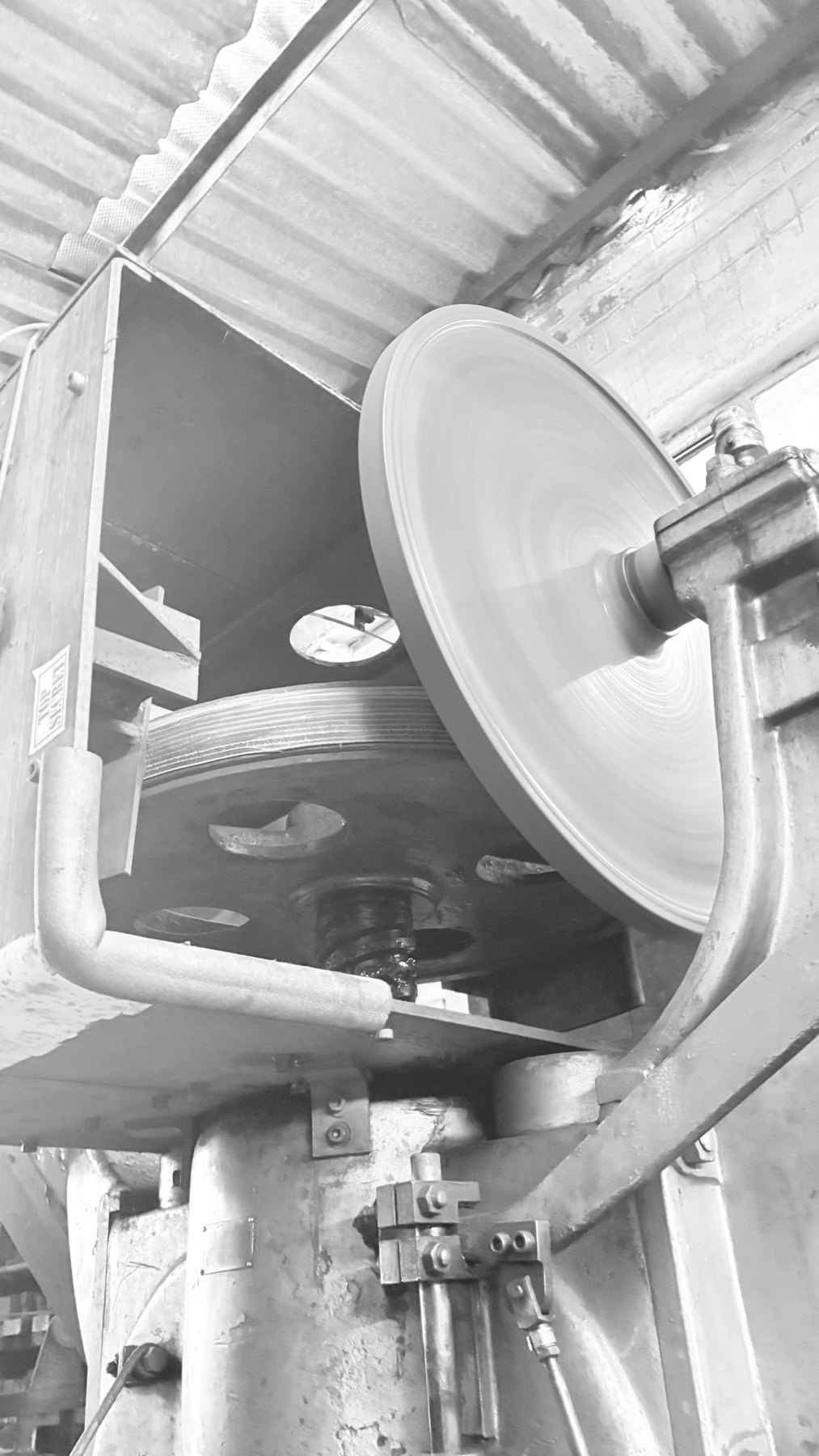
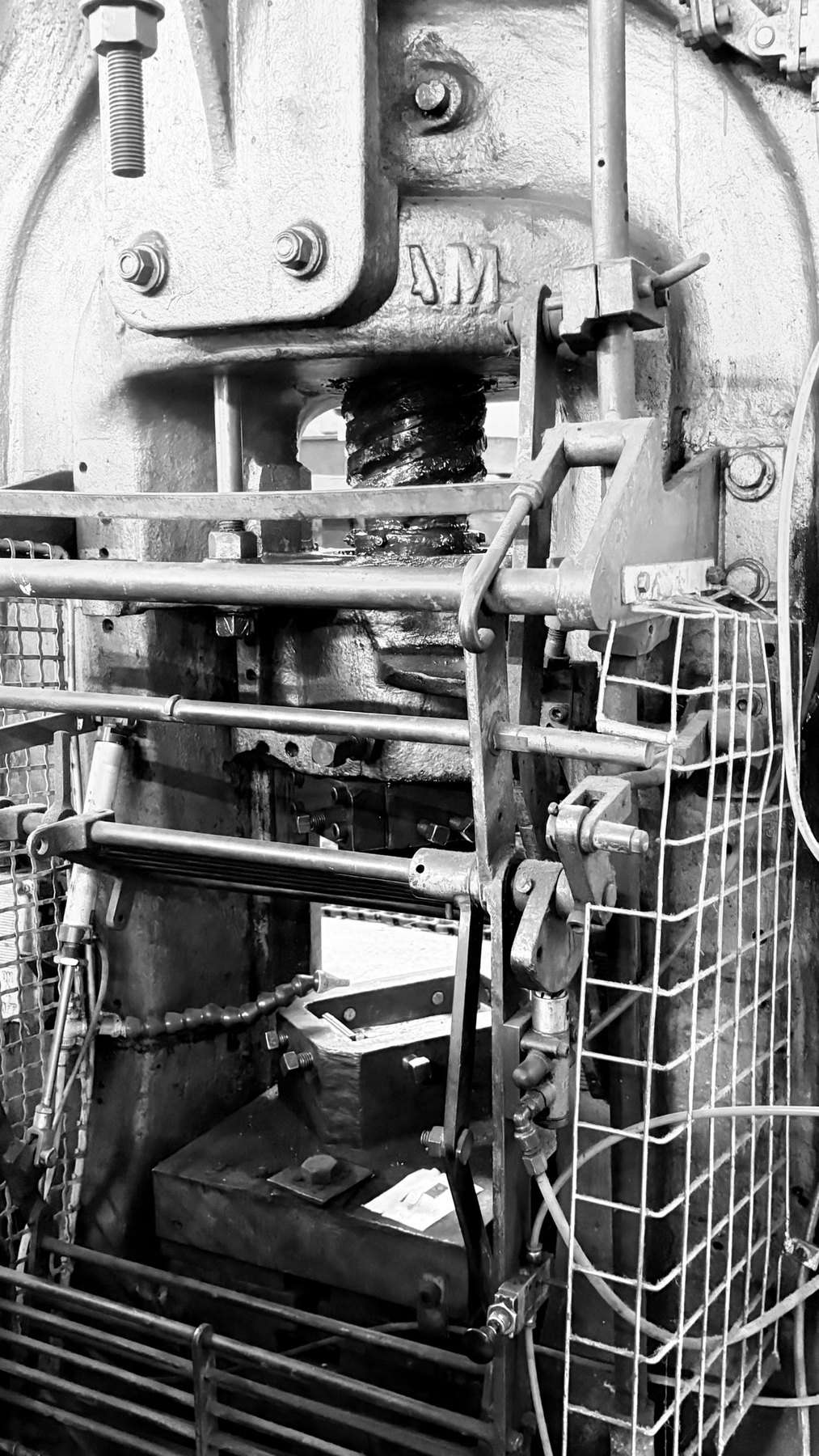
Workshop images
The images below show press detail, flywheel drive, ram assembly, and tooling areas relevant to forming, die setting, short-run work, and repeat production planning.
Quote details
Useful details include a drawing or sample photo, material grade or preferred material, key dimensions, tolerances, finish needs, quantity, target delivery date, and whether the job is a prototype, short-run batch, repeat component, or a production run in the thousands. If you are unsure whether cold forging is suitable, send the requirement anyway and we can review the route.
Email info@ukforging.co.uk or call 0114 272 4969.
Need a forged or formed component?