Short-run jobs
Useful for repair work, first batches, low-volume engineering components, and projects where only a limited quantity is needed.
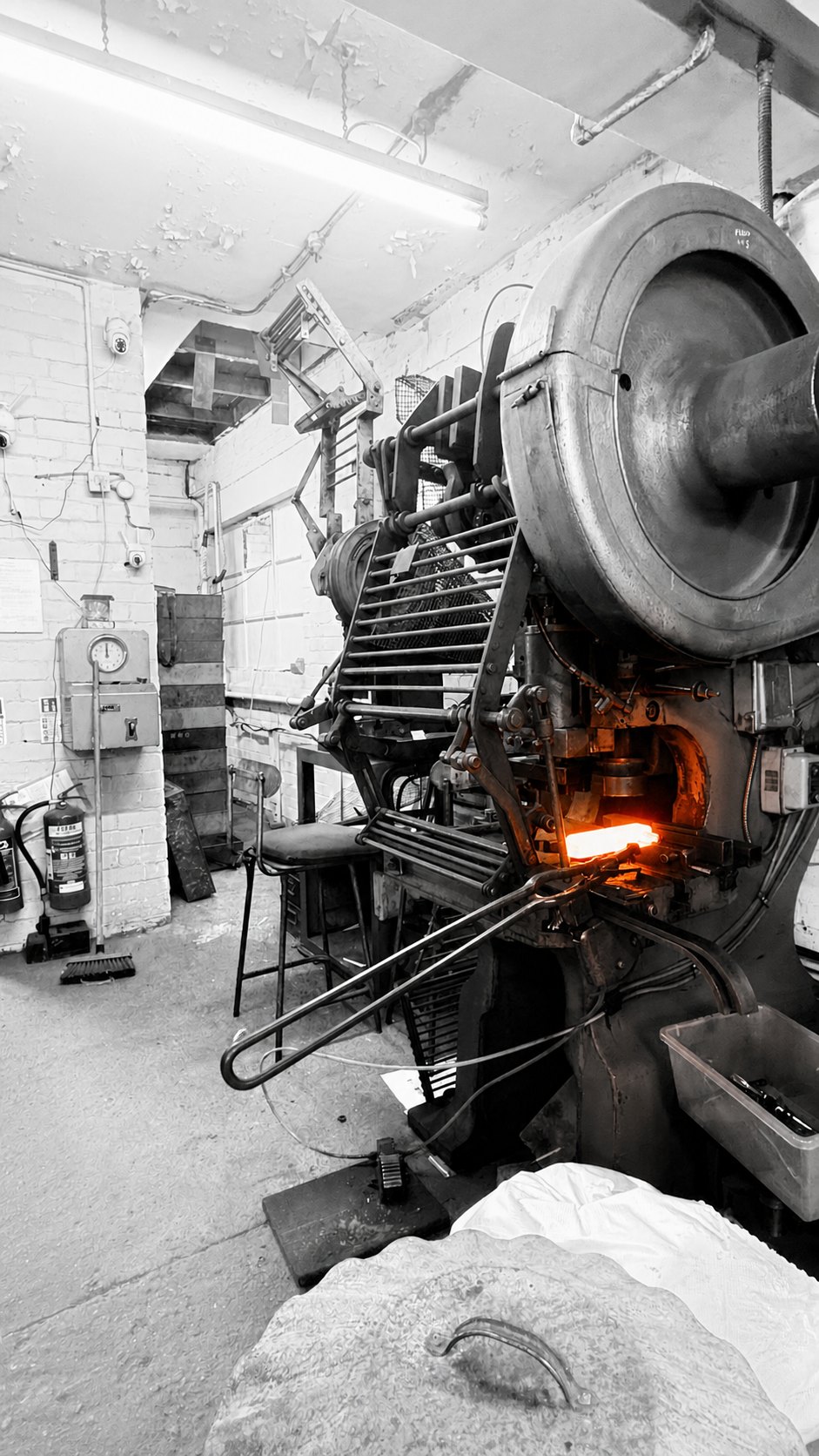
Hot forging service
UK Forging supports engineers, manufacturers, repair teams, and product developers who need strong forged components without being forced into a high-volume production model from day one.
Forged hot, planned properly
Hot forging is often the right route when a component needs strength, toughness, reliable grain flow, and a shape that is better formed under heat than machined from a larger block. UK Forging works with customers who need that strength but also need a practical commercial route. Many enquiries are not neat, catalogue-style production orders. They may begin with a worn part, a drawing that still needs manufacturing input, a rough sample, or an idea that needs proving before a larger order can be justified.
That is where our hot metal forging service is deliberately useful. We can support short-run jobs where the quantity is small but the part still matters. We can also work with prototype and development jobs where a forged form is required for testing, validation, or a first working assembly. In those cases, the conversation is not just about pressing metal. It is about material choice, billet size, tooling route, machining allowance, handling, inspection, heat treatment needs, and how the first parts will be assessed before the next stage.
Because we are set up around responsive forging support, customers can talk to us early. You do not need a perfect production pack before asking whether a forging route makes sense. A drawing, a sample, a material requirement, a working load, or a target envelope can start the discussion. From there, we can review whether hot forging is suitable and what die or tooling work is needed to make the job realistic.
Useful for repair work, first batches, low-volume engineering components, and projects where only a limited quantity is needed.
Suitable when a forged shape needs proving before a design is released, tested, or moved into repeat manufacture.
When volumes move into the thousands, we can review how automation, handling, and repeat set-up improve consistency and unit economics.
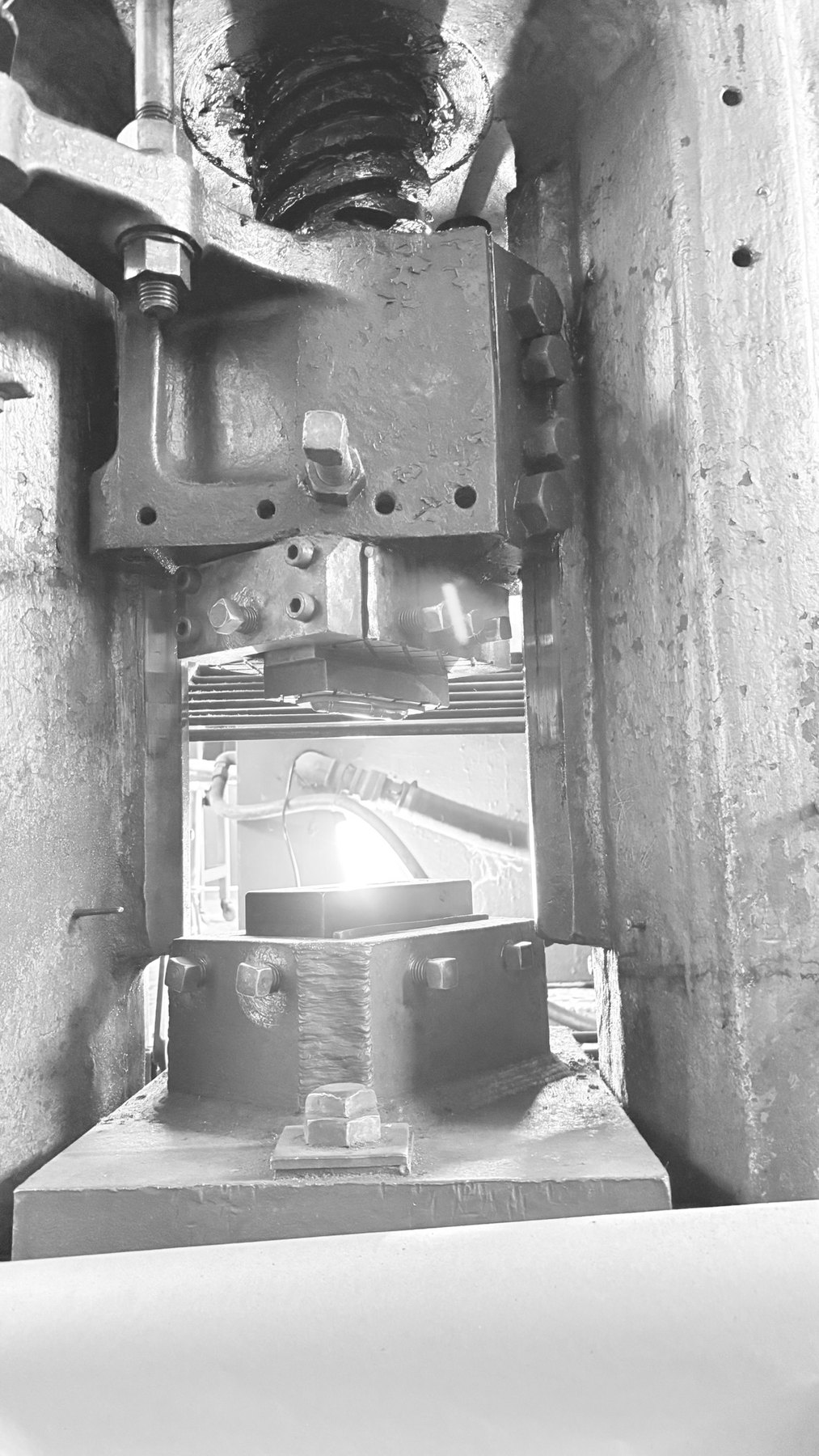
Dies and tooling
One of the biggest questions in hot forging is tooling. A customer may need only a handful of parts, but still require a shaped impression, holding fixture, forming tool, trimming detail, or matched die set to get the result right. UK Forging can make the dies needed for the job and treat that die work as a base cost of the project, so the customer can see the true set-up requirement rather than being pushed towards a production-volume tooling assumption.
This is especially useful for prototype work. If you are developing a part and need a forged trial component, the die cost can be understood as part of getting the first usable pieces into your hands. The aim is not to overbuild tooling before the design has earned it. The aim is to create the practical die route needed to produce the component, prove the form, and learn what needs to change for the next batch. Where the same die can support later production, we will discuss that openly. Where a development die is only suitable for the first stage, we will say so before the work begins.
For short runs, die making can also help avoid waste. Rather than machining everything from heavy stock, a forged preform can place material closer to the final shape. That may reduce machining time, improve material use, and create a stronger component where the forged structure matters. The right answer depends on geometry, material, tolerance, and quantity, which is why we review each enquiry rather than quoting from a fixed menu.
What we can help with
Hot forging is used across many practical situations: replacement parts for older equipment, brackets and lugs that need better strength than a simple fabricated form, blanks for machining, shaped steel components for transport or energy work, repair components, tooling parts, and specialist items where stock material is not enough. We can review carbon steels, alloy steels, stainless steels, tool steels, and special grades by enquiry. Material suitability always depends on the duty of the part, availability, and any downstream heat treatment or certification requirements.
For a small batch, the most valuable thing is often a clear route. We can look at the part and discuss whether the forging should be supplied as-forged, with machining allowance, prepared for later machining, or coordinated with further finishing. We can also consider whether the job needs flash control, trimming, surface cleaning, normalising, heat treatment, inspection, or dimensional checks. Not every job needs every step. A sensible hot forging service should help you avoid unnecessary work while still protecting the performance of the part.
For larger runs in the thousands, the emphasis changes. The die design, handling method, heating route, repeatability, and automation potential become more important. Longer runs give us more leverage on our side of the automation because the time spent setting up reliable movement, repeat strokes, handling aids, and consistent process control can be spread across more parts. That can improve repeatability and make the commercial route more attractive, while still keeping the forging process matched to the component rather than forcing the component into the wrong process.
Prototype to thousands
How the job moves
Share a drawing, sketch, sample photo, material grade, target quantity, expected load, and any inspection or certificate needs.
We look at material, heating, die requirement, machining allowance, finish, tolerances, batch size, and any practical risks before quoting.
Where dies are needed, we can make them as a base cost of the job, then run the agreed forging process for the order.
Parts can be supplied ready for the next stage, with agreed machining allowance, finishing coordination, inspection focus, and documentation.
Workshop images
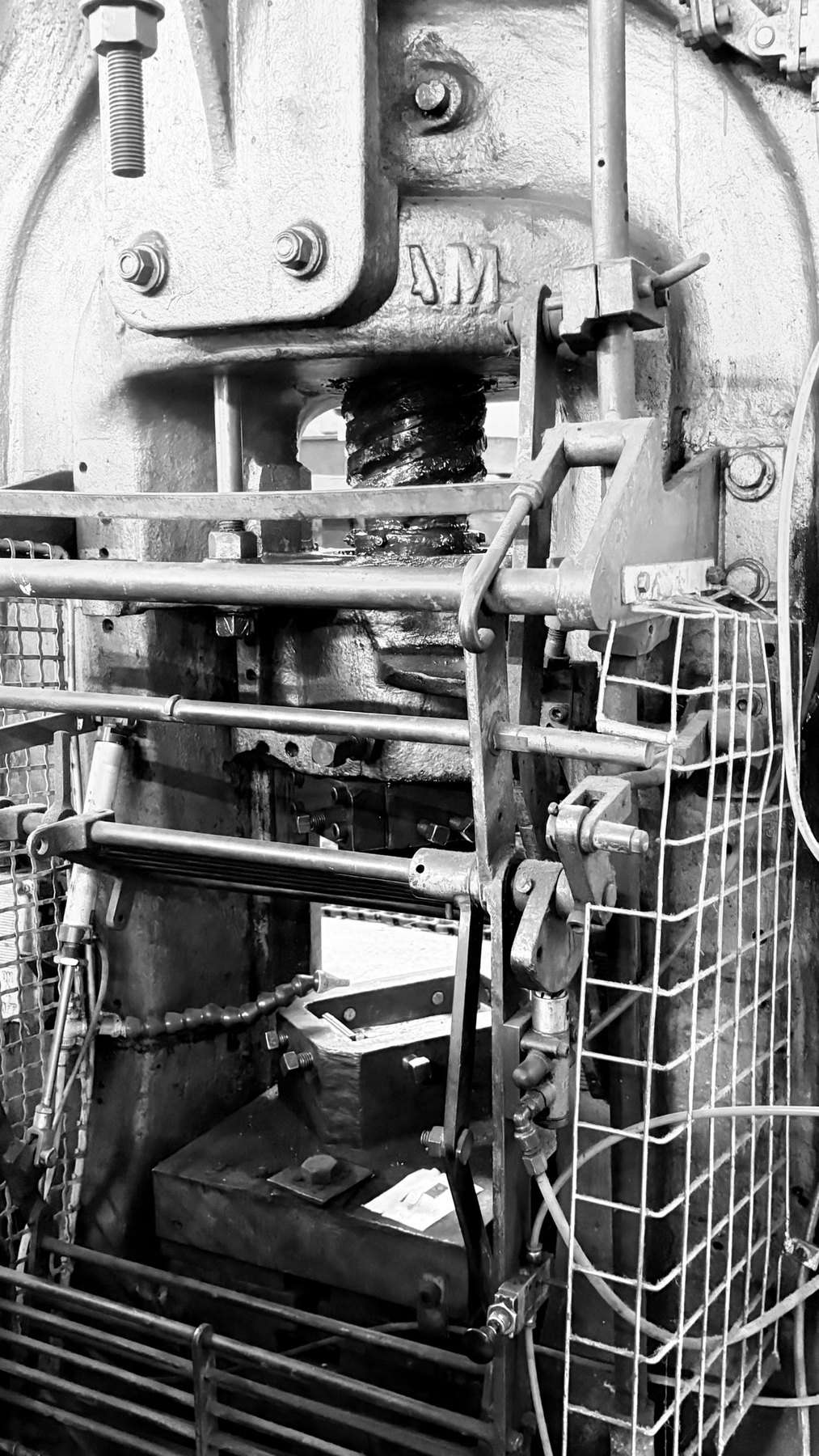
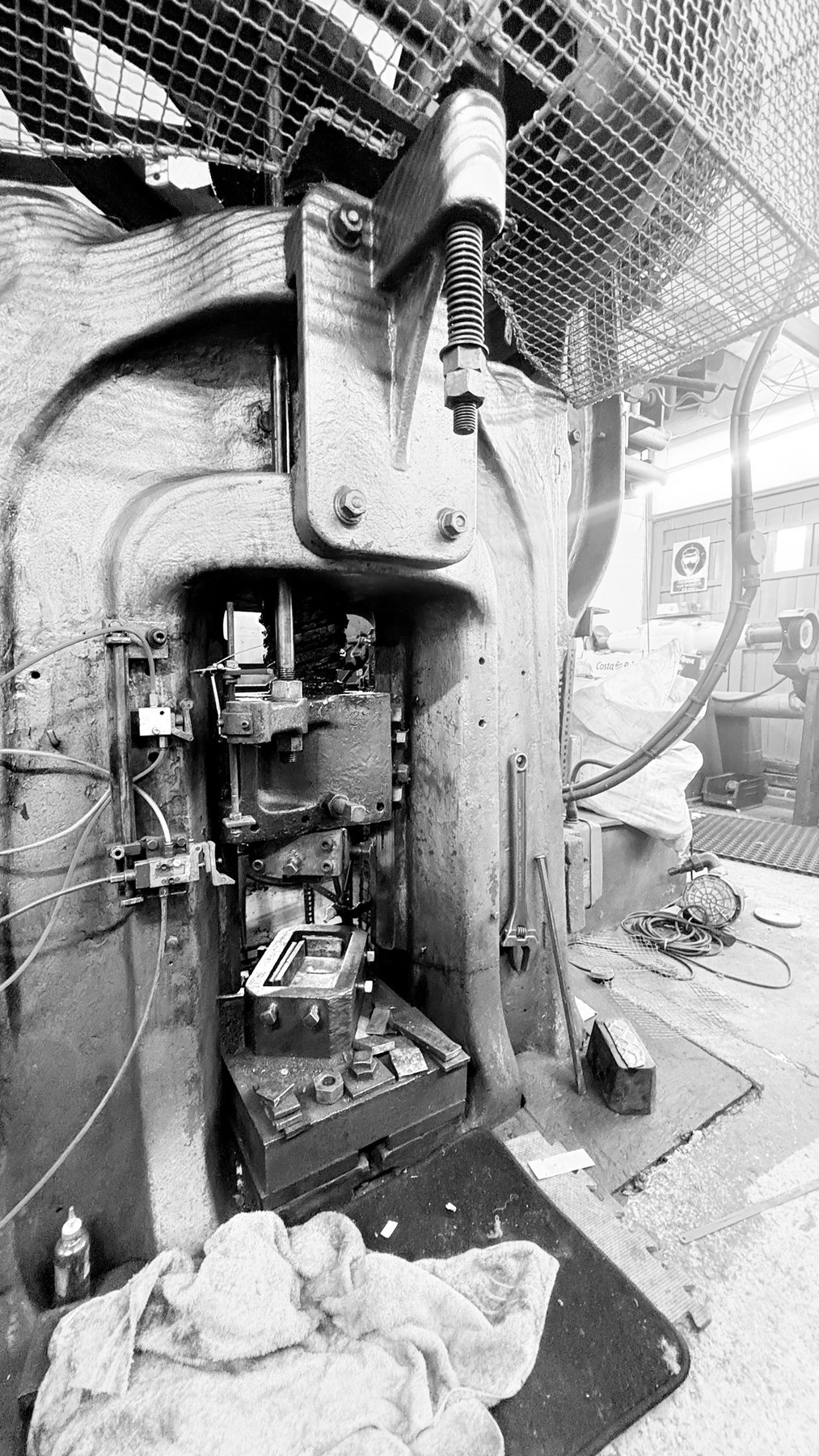
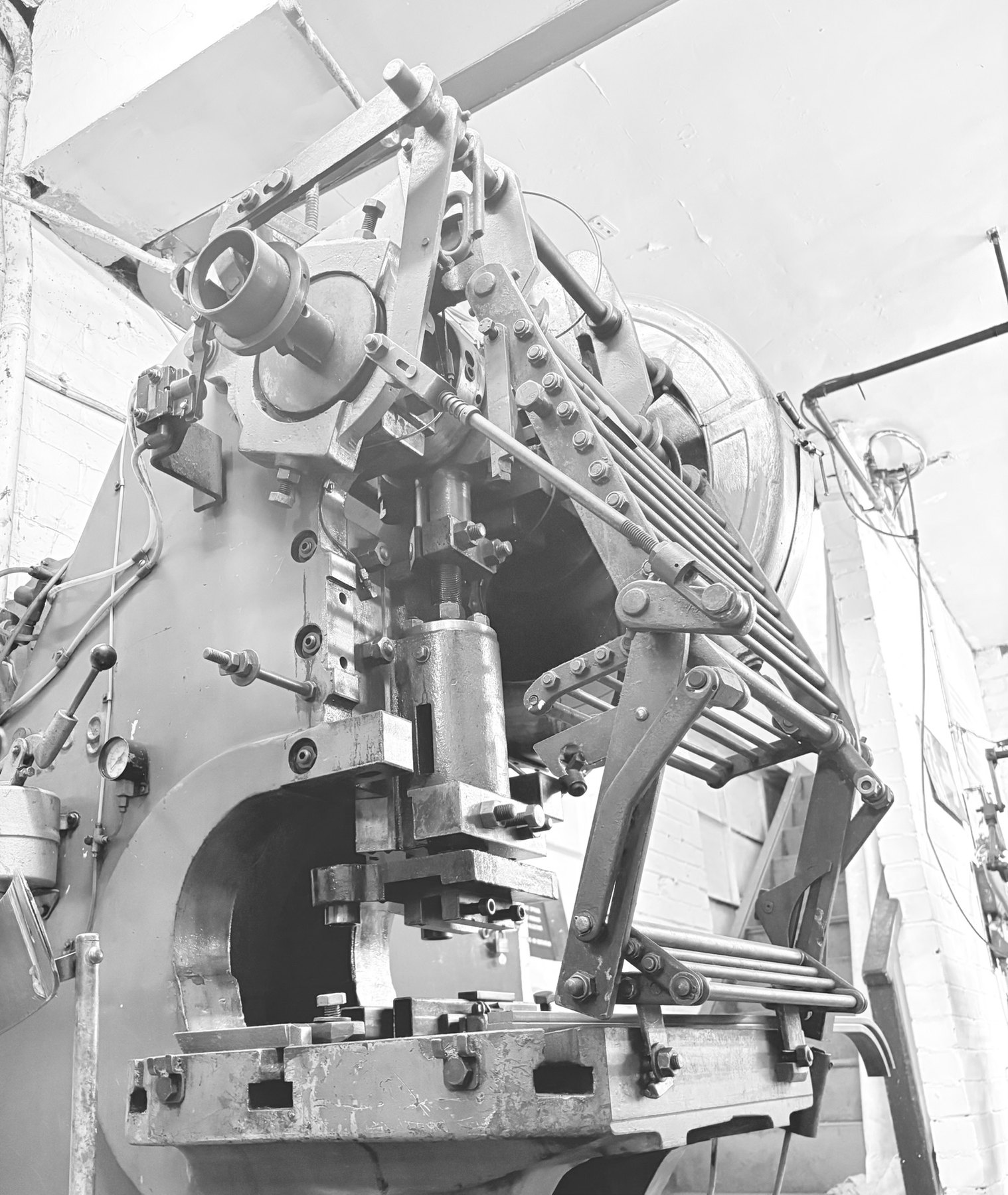
These images show the kind of press, die, and workshop environment behind the service, including the edited hero image showing a white-hot billet held in tongs.
Quote details
For the fastest response, send your drawing or sample images, required quantity, material grade, finish requirement, delivery target, and whether the job is a prototype, short run, repeat batch, or a longer run in the thousands. If you do not yet know the best material or die route, send what you have and we can review it with you.
Email info@ukforging.co.uk or call 0114 272 4969.
Need a forged component?